The 2027 genesis g90 facelift is an appealing reason to pause before buying a flagship sedan, but there is a difference between a plausible update and a confirmed one. As of this writing, Genesis has not published a complete U.S. specification or official reveal for a 2027 G90 refresh. So I’m not going to treat spy shots, renderings, or forum guesses as factory news. I can still help you think through what a refresh could mean, what the current G90 already does well, and whether waiting is the sensible move for your driveway.
I spent years teaching dealership technicians how to diagnose new models, and my first question is rarely “What will the new grille look like?” It is “What problem is this change supposed to solve?” On a large luxury sedan, a facelift can bring revised lighting and bumpers, updated cabin technology, or equipment reshuffling without changing the car’s basic structure. Until Genesis confirms details, those are possibilities—not promises.
What a facelift could change—and what remains unconfirmed
A facelift typically updates a model’s appearance and selected equipment midway through its product cycle. That can mean new front and rear styling, different wheel designs, revised colors, or a larger or faster multimedia system. Automakers sometimes use the opportunity to change trim packaging, too. None of those likely categories tells us exactly what Genesis will do for the 2027 model year.
The G90 is already a large, comfort-first sedan, so I would expect any meaningful update to be judged by how it affects daily use: Are the screens easier to operate? Do the controls still make sense without hunting through menus? Is road noise better managed? Does the rear seat gain anything a passenger can feel? The 2027 genesis g90 facelift may turn out to be mostly visual, or it could bring a more substantial technology refresh. Until an official announcement arrives, anyone giving you exact equipment or pricing is guessing.
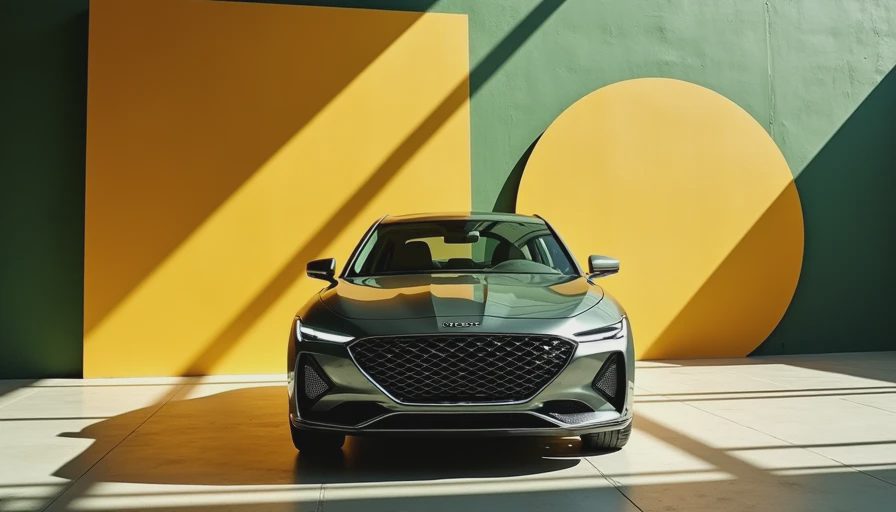
A good way to read online coverage is to separate three things: official Genesis information, clear photographs of test vehicles, and an artist’s rendering. A covered prototype can suggest that testing is underway, but camouflage hides the details people most want to know. A rendering is an illustrator’s interpretation, not evidence of a production design. Keep those categories separate and you will avoid building a purchase decision around a digital sketch.

Why today’s G90 deserves a test drive
A future refresh does not make the current car a bad buy. The G90’s central appeal is the way it prioritizes a quiet, comfortable cabin and a composed ride over making every drive feel like a track session. That distinction matters if most of your miles are a commute, airport run, or a long stretch of highway with a tired passenger beside you. Claire’s test is simple: would she feel more rested after a long drive, or would the seat, noise, and interface wear her down?
Take a current G90 on the roads you actually use. Try a rough patch of pavement, a tight parking garage, and a stretch where you can settle in at highway speed. Check the seat adjustments, visibility, climate controls, and how easily you can pair your phone. If you regularly carry adults in back, have them sit there. A luxury sedan can look generous in a brochure and still have a seating position that does not suit your family.
Also try the controls before you decide the technology is either brilliant or irritating. Some drivers want a touchscreen for everything; others want physical buttons for common tasks. Make a short list of daily functions—temperature, audio, navigation—and see how many steps each takes. Mia is six, so she is not evaluating the interface, but she will tell me if a cabin feels comfortable and calm. That is a useful test, even if it does not appear on a spec sheet.
The ownership questions I would ask before ordering
A flagship sedan is a complicated machine. More equipment can make the cabin special, but it can also mean more systems to understand and maintain. During a test drive, ask the dealer to demonstrate the features you would actually use, not just the dramatic ones. Confirm which functions are included on the trim you want, what requires a subscription, and whether an option package bundles equipment you do not need.
For a new Genesis, read the current U.S. warranty booklet and confirm how coverage applies to your ownership situation. Genesis advertises a 5-year/60,000-mile new-vehicle limited warranty and a 10-year/100,000-mile powertrain limited warranty for the original owner; coverage terms and transfer rules matter. Ask how scheduled maintenance is handled, what services are included, and where warranty work can be performed near home. Those answers are more useful than a broad promise that ownership will be effortless.
If you are weighing a 2027 genesis g90 facelift against a discounted current-year car, get written, itemized quotes for both. Include the selling price, destination charge, taxes, fees, financing terms, and trade-in value. A lower monthly payment can hide a longer loan or a larger amount financed. Compare the total price and the equipment side by side, then decide whether the new styling or technology is worth the difference to you.
Wait for the reveal or buy the car in front of you?
Waiting makes sense if your current car is dependable, you are not in a rush, and a fresh design or updated interface would genuinely change your decision. It also gives you time to see official photos, U.S. trim details, and real pricing rather than relying on a rumor cycle. The 2027 genesis g90 facelift could be a strong reason to wait for that information, but only if you are comfortable with the possibility that the changes are modest or the price moves beyond your budget.
Buying now makes more sense if you have driven the current G90, found the seating and ride right for you, and received a deal that works without stretching your finances. Ask whether the dealer has a comparable vehicle in stock and whether any discount applies to that exact VIN. If you decide to wait, do not assume a refreshed model will arrive on your preferred schedule or in every configuration. Confirm availability and delivery timing directly once Genesis releases official information.
My practical approach is to set a date for a decision. For example, give yourself six weeks to monitor Genesis announcements, request current-car quotes, and test-drive the sedan. If nothing official appears and the existing model meets your needs, you can buy with a clear head rather than waiting indefinitely. If the announcement reveals a specific update you value, compare it against the real price and equipment—not the excitement around a reveal video.
The short version from the shop
The 2027 genesis g90 facelift is worth watching, but it is not yet a list of confirmed upgrades you can safely shop by. Treat renderings as speculation, evaluate the current G90 on your own roads, and verify warranty and pricing details in writing. A refreshed bumper will not matter much if the cabin controls frustrate you every morning; a quiet ride and comfortable seat might matter every single day.
I would not tell a buyer to wait just because a new model year is approaching. I would tell them to identify what they want improved, then wait only if Genesis confirms that improvement and the final price still makes sense. The data is for the engineers. The feel is yours. Take the test drive, bring the person who rides with you most, and make the decision on the car you can actually experience—not the one an online rendering imagines.





No signals yet — transmit the first.