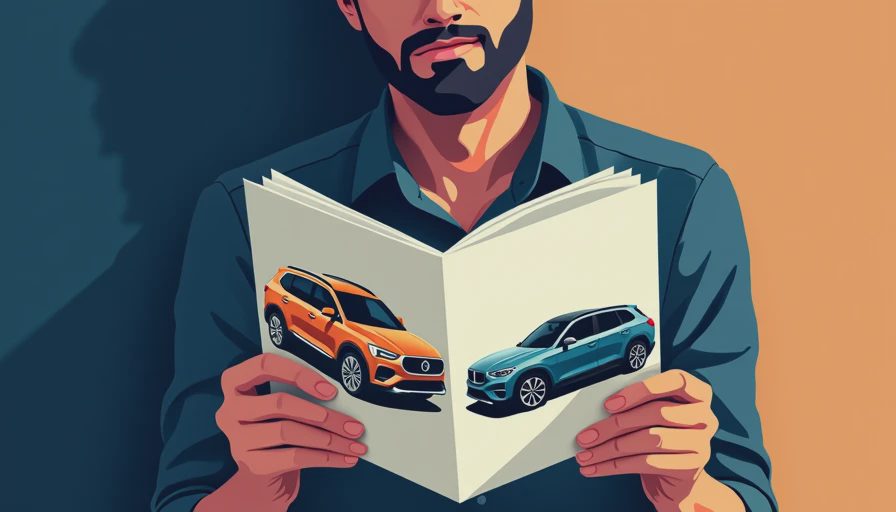
The subaru outback vs luxury suv question usually begins in a dealership parking lot. You want the quiet cabin, handsome materials, and reassuring weight of a Volvo XC60, Acura RDX, or Genesis GV70. Then you remember the gravel road, wet dog, child seat, ski gear, and the repair bill from your last German car. I have spent years training technicians on premium vehicles, and I can tell you this: the Outback is not a luxury SUV in disguise. It is a different answer to the same problem.
The useful comparison is not badge against badge. It is how each vehicle supports your actual week. The data is for the engineers. The feel is yours.
Where the Outback earns its keep
A current Subaru Outback gives you standard all-wheel drive, useful ground clearance, a long roof, and a hatch opening that accepts bulky objects without a negotiation. That matters when Socket has muddy paws, Mia has a project made from cardboard, and Claire needs groceries after a twelve-hour shift. The Outback feels built around ordinary inconvenience.
Its cabin is practical rather than lavish. The seats are generally comfortable, the visibility is good, and the controls are easy to understand once you spend time with them. Upper trims add leather upholstery, heated seats, a heated steering wheel, and a more polished interior. A Touring XT can feel genuinely pleasant on a long drive, but it does not pretend to be a six-figure lounge.
The turbocharged XT models have enough passing power for mountain roads and loaded highway trips. The standard engine is adequate, though it asks for more planning when the car is full. Subaru's continuously variable transmission is not designed to feel sporty; it is designed to keep the engine in an efficient range. That is a sensible trade for many owners, not a character flaw.
What the luxury badge actually buys
In a subaru outback vs luxury suv comparison, the premium vehicle's strongest argument is not acceleration. It is refinement. An Acura RDX, Volvo XC60, or Genesis GV70 typically gives you quieter highway manners, richer seat padding, tighter panel fit, and a more substantial feel when you close the door. Those are small advantages until you drive four hours through steady rain. Then they become the whole reason you bought the car.
Luxury SUVs also tend to offer better sound insulation and more sophisticated seat adjustments. Some have ventilated seats, massaging functions, upgraded audio, and cleaner displays. Genesis is especially generous with equipment for the money, while Acura often emphasizes straightforward controls and proven mechanical packaging. Volvo leans into calm design and supportive seats, though its technology can require patience.
The price difference is substantial. A well-equipped Outback commonly lands in the upper thirty-thousand to mid-forty-thousand-dollar range before taxes and fees. Comparable luxury SUVs often begin in the mid-forties and move past $60,000 with options. Lease payments can narrow the monthly gap, but ownership costs do not disappear because the payment looks manageable.
Repair costs and long-term ownership
This is where my shop experience changes the conversation. Subaru parts are not free, and an Outback is not immune to wheel bearing noise, oil leaks, suspension wear, or electronic faults. Still, independent repair support is widespread. A competent Subaru specialist is easier to find in many regions than a technician comfortable with every system on a newer premium SUV.
Routine service on an Outback may run roughly $300 to $700 per visit depending on mileage and what is due. A luxury SUV can land in the same neighborhood for basic maintenance, but tires, brakes, sensors, and cooling-system components often cost more. A set of premium tires for a Volvo or Genesis can approach $1,000, and an electronic suspension or driver-assistance repair can move quickly beyond $1,500.
That does not make luxury SUVs unreliable. It means their ownership budget needs more room. If you are buying a three-year-old XC60 or BMW X3, get a pre-purchase inspection, read the service history, and keep a reserve of at least a few thousand dollars. The car can be excellent. It simply has more expensive ways to surprise you.
Winter roads, road trips, and daily comfort
The subaru outback vs luxury suv decision gets clearer when weather and roads matter. The Outback's standard all-wheel-drive system, ground clearance, and drive modes make it comfortable on snowy residential streets and rough forest roads. Good winter tires still matter more than the logo on the hatch. All-wheel drive helps you accelerate; tires help you stop and turn.
Many luxury SUVs also offer excellent all-wheel-drive systems. An XC60 or GV70 can be more composed on a wet interstate, with better insulation from road texture and wind. However, low-profile tires and expensive wheels are less forgiving on potholes. If your commute includes broken pavement, the Outback's taller sidewalls can be a practical advantage.
For long trips, I would choose based on fatigue. The Outback offers a commanding view and useful cargo height. The luxury SUV usually reduces noise and vibration, and that can leave you fresher after six hours. Take both on the same route, including a rough section and a freeway stretch. A ten-minute dealership loop will not reveal the difference.

Which cabin fits your household?
Think about the people and equipment you carry, not the image you want outside the coffee shop. The Outback's wagon-like shape makes it easier to load a dog crate, cooler, stroller, or muddy boots. Its rear seat is usable for adults, although a rear-facing child seat can consume front-seat legroom. The cargo floor is low enough that Mia can load a backpack without asking for help.
Luxury SUVs often feel more tailored. Their seats may offer better thigh support, their doors close with a heavier thump, and their climate systems can be quieter. But some prioritize style over cargo flexibility. Sloping rooflines and thick interior trim can reduce the space you expected from an SUV.
If headaches come from road noise, the premium vehicle deserves serious consideration. If headaches come from complicated screens, expensive tires, or worrying about every parking-lot scratch, the Outback may be the more luxurious choice in your real life.
A practical buying checklist
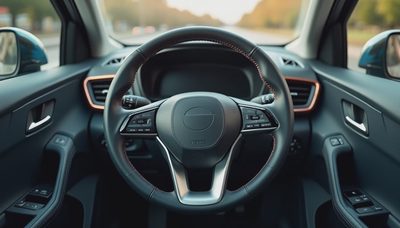
Before choosing in the subaru outback vs luxury suv debate, drive each candidate with a simple test. First, sit in the driver's seat for fifteen minutes and adjust the wheel, pedals, and lumbar support. Second, install the child seat or place your usual dog crate in the back. Third, price insurance using the exact trim and your ZIP code; a turbo model or luxury badge can change the premium. Fourth, request written pricing for tires, brake service, and the first major maintenance interval.
Then inspect the used-car history. Look for consistent oil changes, completed recalls, and evidence that the vehicle was not modified with questionable suspension parts or oversized wheels. On a used Outback, pay attention to oil seepage, CV axle boots, wheel-bearing noise, and smooth transmission behavior. On a used luxury SUV, add cooling-system leaks, air-conditioning operation, parking sensors, and every powered feature to the list.
My garage recommendation
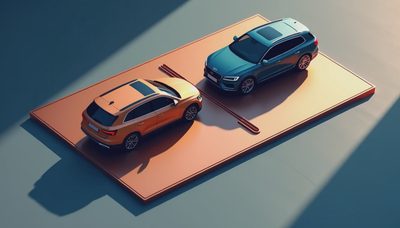
The subaru outback vs luxury suv choice is not a contest with one universal winner. Choose the Outback if you want practical space, standard all-wheel drive, easier independent service, and a purchase price that leaves money for tires and travel. Choose the luxury SUV if quietness, seat comfort, interior finish, and relaxed highway manners are worth paying for every month.
I would point a cost-conscious family toward a well-equipped Outback XT and put the savings into excellent winter tires and a maintenance reserve. For a driver who spends hours on the interstate and genuinely values a hushed cabin, an Acura RDX, Volvo XC60, or Genesis GV70 can be worth the extra expense. Drive them back to back, load the things you actually carry, and calculate the repair budget honestly. The right car is the one that makes Tuesday easier, not the one that wins the showroom argument.
No signals yet — transmit the first.