Honda Element camper conversion ideas usually start with one simple realization: this odd little box is better suited to camping than most fashionable SUVs. The nearly vertical sides, washable interior, low floor, and wide-opening rear doors give you usable space instead of a carefully styled cargo area. I have looked at plenty of Elements in the shop, and the best builds are not the ones with the most plywood. They are the ones that make sleeping, cooking, and repairing the vehicle straightforward.
The Element is not a Sprinter van. You will not stand inside, carry a full bathroom, or invite six friends in for coffee. You can, however, create a comfortable two-person sleeper with room for clothing, food, tools, and a dog that considers every campsite its personal inspection route. Before cutting anything, decide whether your priority is a permanent bed, flexible cargo space, or an inexpensive weekend setup.
Start with the mechanical inspection
The conversion should begin underneath the vehicle, not at the hardware store. An Element that needs a clutch, driveshaft support bearing, exhaust work, or suspension bushings is not a bargain just because the interior is clean. Early and late models have different details, but age affects every one of them now. Look for rust around the rear subframe, worn control-arm bushings, leaking struts, noisy wheel bearings, and oil seepage around the engine.
The rear differential on all-wheel-drive versions deserves a fluid service history. If the wrong fluid was used or service was ignored, tight turns can produce a binding or chattering sensation. That repair is much less fun after you have installed a fitted floor and kitchen box. Inspect the rear door hinges, tailgate struts, door seals, and the wiring around the liftgate. A camper sees more opening and closing than a grocery getter.
Budget at least $1,000 to $2,500 for baseline maintenance on an unknown example, depending on what inspection finds. That money buys more peace of mind than a $900 roof tent. Replace tired tires before adding camping weight, and confirm the spare tire, jack, and lug wrench are actually present.
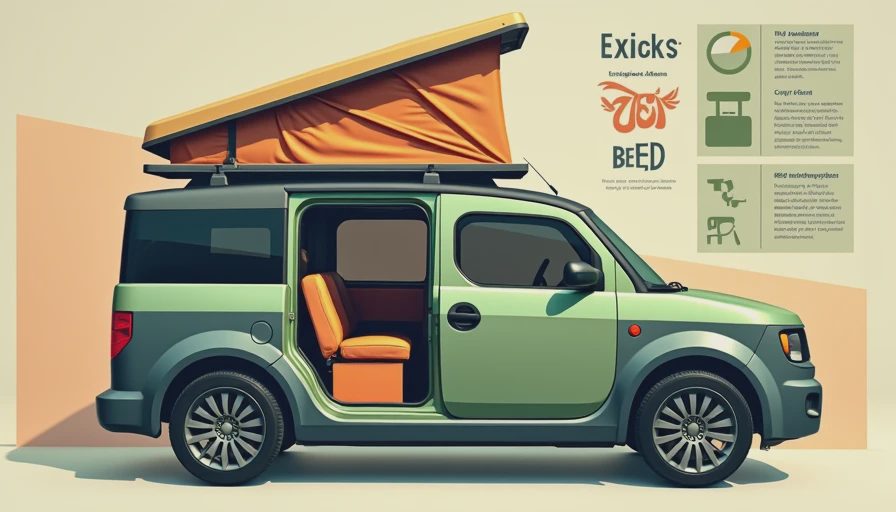
Honda Element camper conversion ideas for the bed
The easiest sleeping platform uses the factory rear seats folded, removed, or stored outside the vehicle. Many owners build a two-piece platform that hinges or lifts so the front section can remain folded while the rear section provides storage. A platform around 72 to 75 inches long can work for many adults, but measure your own sleeping position before buying a mattress. The interior is roomy, not magically longer than you are.
One practical arrangement is a 30-inch-wide sleeping surface on one side and a 12- to 16-inch storage lane on the other. A second option uses nearly the full width, roughly 55 inches in many layouts, with shallow bins beneath. The first feels less cramped during the day; the second sleeps more like a real bed. Use 1/2-inch plywood with a simple 1-by-2 frame instead of heavy 3/4-inch sheets. The difference can be 40 pounds or more.
A folding tri-panel mattress is easier to move than a full-size foam slab. Four-inch camping foam is a reasonable starting point, while six-inch upholstery foam feels better for longer trips but consumes valuable storage height. Add ventilation under the mattress with slats or a perforated panel. Condensation trapped against the floor can create mildew and eventually corrosion.
Storage that survives real travel
Good Honda Element camper conversion ideas treat storage as a restraint problem. Anything loose becomes a projectile when you brake. Build bins that fit tightly against the interior walls, use latching lids, and attach heavier boxes to factory tie-down points. Do not drill blindly through the floor; fuel lines, wiring, and the fuel tank occupy space below it.
A low drawer behind the front passenger seat is useful for tools, a tire inflator, and recovery gear. A narrow cabinet beside the bed can hold a single-burner stove, coffee equipment, and dry food. Keep cooking fuel secured and never use a fuel-burning stove inside the closed vehicle. Carbon monoxide is odorless, and a cracked window is not a substitute for outdoor cooking.
Soft-sided organizers are excellent for clothing because they conform to the odd corners. A 20- to 30-quart cooler can fit under many platforms, while a compact 12-volt refrigerator costs more but avoids melting ice. Put a rubber mat under water containers and coolers. The Element's plastic interior is forgiving, but a leak hidden under a box can make the car smell like a wet dog by Monday.
Power, light, and ventilation
You do not need a complicated electrical system for a weekend build. A 500- to 700-watt-hour portable power station can run phones, lights, camera batteries, and perhaps a small cooler for a night or two. A 100-watt solar panel helps in open, sunny campsites, but do not design the entire trip around perfect weather. A simple fused 12-volt accessory circuit is often enough for small fans and charging.
Use warm LED puck lights or a rechargeable lantern rather than permanently wiring half the cabin. Route any fixed wiring through abrasion protection and add an inline fuse close to the battery. If you install a secondary battery, use a proper isolator or DC-to-DC charger so the starting battery is not accidentally drained.
Ventilation matters more than another storage cubby. Window inserts with screened openings allow air movement while keeping bugs out. A small USB fan aimed toward an open window makes a surprising difference. In cold weather, crack two openings on opposite sides rather than sealing the cabin completely. Dry sleeping bags in the morning, and wipe down wet surfaces before driving.

Three build levels and realistic costs
The budget version of these Honda Element camper conversion ideas costs about $300 to $800. Use a folding foam mattress, plastic totes, blackout window covers, a rechargeable lantern, and a basic cooler. This is the right approach for someone testing whether sleeping in a vehicle is appealing. It also lets you remove everything for hauling bicycles or furniture.
A mid-level build usually lands between $1,200 and $3,000. It might include a hinged plywood platform, custom mattress, drawer storage, window screens, a power station, and better insulation. Buy materials carefully and keep the structure modular. A beautiful cabinet that prevents you from carrying a bike is a poor bargain.
A more finished build can exceed $4,000 once you add a refrigerator, auxiliary battery, diesel-style heater, custom upholstery, and professional cabinetry. The heater requires special care and correct installation; do not improvise exhaust routing inside a sleeping vehicle. For most owners, the mid-level build offers the best balance of comfort, serviceability, and resale appeal.
Insurance, weight, and the first overnight test
Tell your insurer that the vehicle has been modified for camping and ask how personal equipment is covered. Standard auto insurance generally covers the vehicle, but camping gear and permanently installed equipment can have different treatment. Photograph the build, keep receipts, and understand your comprehensive and collision deductibles before leaving town.
Keep an eye on payload. The driver, passenger, mattress, water, cooler, tools, and conversion can add several hundred pounds quickly. Check the door-jamb label for the vehicle's loading information, and weigh the finished setup if possible. Extra weight increases braking distance and puts more demand on old springs and tires.
The smartest final step in these Honda Element camper conversion ideas is a driveway overnight. Load everything exactly as you would for a trip. Sleep in it, make coffee, pack the bed away, and drive over a rough road. That test exposes sharp cabinet corners, weak latches, poor ventilation, and missing essentials before you are 200 miles from home.
The Element rewards practical thinking. Keep the platform light, leave access to the spare tire and service points, and spend money first on tires and maintenance. The data is for the engineers. The feel is yours. If the bed folds away easily and Socket can turn around without knocking over the water jug, you probably built something worth keeping.





No signals yet — transmit the first.