When someone says my loss is your gain, it usually means a car, a claim, or a repair created an opening for the next buyer. Sometimes that opening is real money. Sometimes it is just a shiny story wrapped around a bad weld, a hacked electrical repair, or a title problem that will make your next insurer and your next mechanic both sigh. I have seen both. In the shop, the difference is usually obvious once you know where to look, and it starts long before the test drive. Claire's rule is the best one: if it would leave her tired after a 12-hour shift, it is not a bargain no matter how nice the price looks.
The first thing to sort out is what actually happened to the car. A fender-bender with paintwork is one thing. A flood car with new carpet and a dashboard fresh enough to smell like glue is another. A clean-looking sedan with one airbag replaced and no paperwork can be a mess hiding under the trim. Ask for the repair invoices, the title status, and the VIN before you get romantic about the price. If the seller cannot explain the damage in plain English, assume the story has been edited.
Start with the insurance story, not the paint shine
A smart buyer treats the backstory like part of the vehicle. If an insurer declared the car a total loss, the company paid the actual cash value, not the owner's hope, repair receipts, or emotional attachment. That matters because a total loss usually means the car hit a number where repair cost, salvage value, and risk crossed the line. On the other side of the desk, the owner may have used that payout to buy it back, fix it cheaply, or hand it to a dealer who thinks a fresh detail can solve everything. The paper trail tells you which path happened.
This is also where coverage matters for your own car. Collision insurance pays for crash damage to your vehicle, while comprehensive covers things like theft, hail, fire, vandalism, and animal hits. If you still owe more than the car is worth, gap coverage can keep you from writing a check after a total loss. Rental reimbursement is another small line item that suddenly feels big when the shop keeps your car for three weeks waiting on a headlight or a back-ordered bumper cover. It usually costs far less than the headache it solves.
When my loss is your gain is a fair deal
There are plenty of honest deals hiding in plain sight. A car with a door skin, a bumper cover, or a scraped wheel can be perfectly fine if the repair was done straight and documented. I have seen used Subaru Outbacks and Volvo XC60s take light hail damage, get repaired with OEM or quality aftermarket parts, and come back with no meaningful drama. The price drop can be several thousand dollars, and the next owner gets a car that lost value on paper more than in daily life.
The key is proportion. Cosmetic damage that cost $1,200 to $3,000 to repair is one story. A truck or SUV that needed airbags, seatbelt pretensioners, a dash harness, and a steering wheel module is another. Once the repair bill climbs into four digits fast, you want records, not a reassuring shrug. My loss is your gain only works when the loss was visible, documented, and fixed by someone who knew what they were doing.
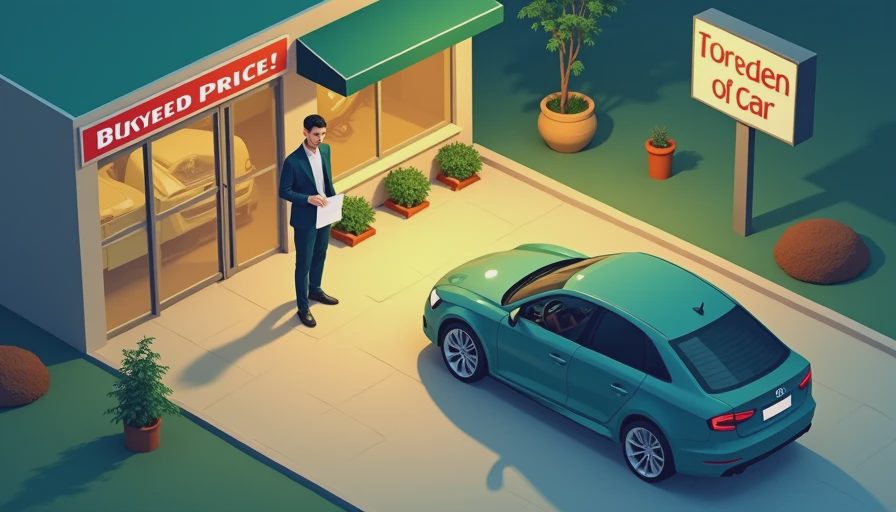
The red flags I look for in the shop
The worst cars are the ones that look cheap because somebody spent money making the important stuff invisible. Fresh undercoating over a rusty floor pan. Overspray on weatherstripping. Missing factory fasteners. A trunk floor that does not quite match the spot weld pattern on the other side. In Portland, we see plenty of damp-weather casualties, and water damage is the one that fools people the longest. If the carpet was pulled, the connectors were opened, and the smell still reminds you of a wet basement, walk away.
I also want a pre-purchase inspection from someone who actually inspects cars, not someone who only prints codes. A good shop will check body gaps, scan for stored modules, look at tire wear, and tell you whether the alignment numbers suggest a bent suspension arm or just cheap tires. That inspection may cost $150 to $250, which is cheaper than discovering a bad clock spring, a crooked subframe, or a failing radar module after you signed the papers. Mia calls that "expensive surprise money," and she is not wrong.
What your own policy should do before the crash happens
If you are shopping insurance for a car you care about, do not stop at the lowest monthly price. Ask what happens when the car is totaled, not just what happens when the bill comes due. A higher deductible can lower the premium, but if the deductible is so high that you would hesitate to file a claim, that is not saving money. Same with roadside assistance, rental reimbursement, and glass coverage. Those small add-ons are boring until the day you need them, then they are dinner-table talk for weeks.
This is where the big carriers and the independent agents split roles. A company like GEICO or Progressive can be fast for online quotes. An independent agent can compare several companies at once and help you tune the coverage instead of just trimming the price. If you drive a newer car, have a loan, or plan to keep the car after a scare, ask about gap coverage, comprehensive, and collision as a package rather than as separate lines on a screen. The cheapest policy is not a bargain if it leaves you upside down after one bad afternoon.

How to buy without getting talked into a story
When you are standing in front of a car with a tempting price, slow the room down. Check the title first. Read the repair receipts second. Then test-drive it on rough pavement, over speed bumps, and with the radio off. Listen for wind noise around repaired doors, a steering wheel that sits crooked, or a brake pedal that feels a little too soft after a hard stop. If the seller says everything was fixed and they have no paperwork, that is not confidence. That is a warning wrapped in polish.
I also like to run one simple question past myself: would I hand this car to Claire after her shift, with Mia in the back and Socket trying to climb into the cargo area? If the answer is yes, the deal is probably honest. If the answer is no, I want more proof, more photos, and more time. The data is for the engineers. The feel is yours.
The short version from the shop
A cheap car is only cheap when the damage was minor, the repair was documented, and the insurance side made sense. A total loss, a salvage title, or a sloppy repair can erase the savings fast. The trick is not to fear a damaged car. It is to price the damage correctly and make sure the policy you carry today would not punish you tomorrow. If you are comparing quotes, ask what coverage would replace the car, pay for the rental, and keep you from eating a loss you cannot afford. That is when my loss is your gain stops sounding like a sales line and starts sounding like a deal you can actually live with.


No signals yet — transmit the first.