If you are shopping for a used 350Z, the Nissan 350Z HR vs DE engine question matters more than another polished listing photo. These are not simply two versions of the same V6 with different badges. The HR is a later, more thoroughly revised engine, while the DE is the older VQ35 that built the car's reputation for strong torque and reasonable repair costs. Both can be good purchases. Both can also become expensive when a previous owner treated oil changes as optional.
I have inspected enough VQ engines to know that mileage alone does not settle this decision. A maintained DE with 140,000 miles can be a better buy than an abused HR with 90,000. The service records, cold-start behavior, oil pressure, and evidence of amateur modifications tell the real story. The data is for the engineers. The feel is yours, but the maintenance history is what protects your wallet.
What changed between the DE and HR?
The DE powered most 350Z models from 2003 through 2006, although output varied by year and trim. Early DE cars were generally rated around 287 horsepower, with later versions reaching approximately 300 horsepower in some configurations. It uses a single intake arrangement and a simpler cylinder-head design than the HR. That simplicity is one reason parts and repairs are usually familiar to independent Nissan and Infiniti technicians.
The HR arrived for the 2007 model year and continued in later 350Z applications. Nissan revised the block, cylinder heads, intake system, crankshaft, connecting rods, cooling passages, and valve timing. The engine received dual intake throttles and a higher redline, with output commonly listed around 306 horsepower and 268 pound-feet of torque. On paper, the peak torque number is not dramatically higher than the DE. From the driver's seat, however, the HR feels more willing as revs build and less breathless near the top of the tachometer.
That distinction explains much of the Nissan 350Z HR vs DE engine debate. The HR is not merely a DE with a software update. It has more hardware and more systems that need to remain healthy.

How they feel on the road
A healthy DE feels muscular in the middle of the rev range. It does not need much drama to pull away from a stop or merge onto the highway, and it suits a driver who enjoys the car's mechanical character without constantly chasing the last few hundred rpm. The throttle response is direct, and the engine note has the familiar VQ rasp that owners either enjoy or learn to tolerate.
The HR feels more polished and more energetic above 4,000 rpm. Its revised intake and valve-control systems help it keep pulling where a DE begins to sound busier than it feels. That does not make every HR faster in real life. Tire condition, gearing, clutch health, and driver judgment matter more than a small factory power difference during ordinary driving. For a daily commute, either engine has enough performance to make an on-ramp interesting.
For a road-trip car, I would pay attention to vibration and cabin noise rather than dyno claims. Claire can tolerate a firm ride; she has less patience for a car that drones for three hours. A stock or lightly modified example generally makes a better companion than one wearing bargain headers, an open exhaust, and a tune designed around somebody else's fuel system.
Reliability points that deserve inspection
The DE's common concerns include oil consumption, valve-cover or front-cover leaks, aging cooling components, and wear from neglected oil changes. Oil consumption is not automatically an engine-ending diagnosis, but a seller who cannot explain how much oil the car uses deserves careful questioning. Look for blue smoke after extended idle, oily exhaust tips, or a low oil level when the engine is warm.
The HR has its own expensive watch points. Some engines develop oil-gallery gasket problems that reduce oil pressure, particularly when the car has accumulated significant mileage. A low-pressure warning, rattling timing components, or an engine that sounds unhappy at hot idle should stop the purchase until proper testing is complete. Replacement work can involve substantial labor, with a repair bill that can reach several thousand dollars depending on parts and shop rates.
Timing-chain tensioners, accessory pulleys, motor mounts, and cooling-system parts can affect either engine. A rattling start-up for a second or two is not a complete diagnosis, but it is a reason to scan for codes and measure oil pressure. Do not let a clean engine bay distract you from fresh undercoating or recently washed oil residue.
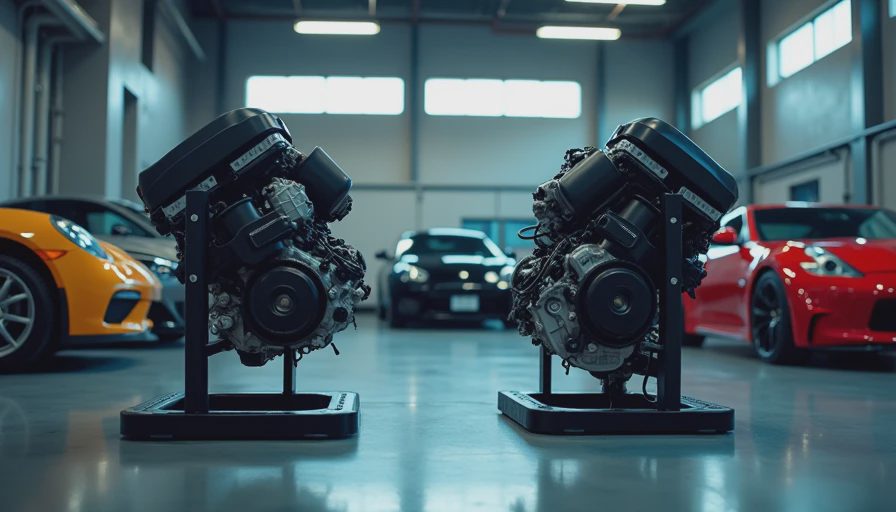
Which engine costs less to own?
The DE usually wins on straightforward ownership. More used parts are available, many independent shops know the platform well, and its mechanical layout is familiar from other VQ-powered Nissan and Infiniti models. That does not mean a DE is cheap in every situation. A clutch, dual-mass flywheel, catalytic converter, or suspension refresh can still create a $1,500 to $3,500 repair visit.
The HR earns some of its premium through stronger performance, but its additional intake and valve-control hardware can increase diagnostic time. A specialist may charge $120 to $200 per hour, and a complicated electrical or oil-pressure fault can consume several hours before parts are replaced. Budgeting roughly $1,000 to $2,000 per year for maintenance and wear items is sensible for an older Z driven regularly, with a larger emergency reserve for engine or transmission work.
Insurance also deserves a place in the budget. A 350Z is a rear-wheel-drive sports car, so premiums can be higher than those for an ordinary compact sedan. Your age, location, driving record, annual mileage, coverage limits, deductible, and theft history all affect the quote. Get insurance pricing using the exact VIN before putting down a deposit, especially if you are comparing a clean HR coupe with a modified DE project.
Buying checklist for either VQ35
Start the inspection with a completely cold engine. Confirm that the seller did not warm it up before arrival, then listen for startup rattle and watch the exhaust. Check oil and coolant condition, inspect the radiator and hoses, and look underneath for leaks around the front cover, oil pan, transmission, and rear main seal area.
Next, drive the car long enough to reach normal temperature. The clutch should engage smoothly without slipping, the gearbox should not grind during quick shifts, and the engine should pull cleanly without hesitation. A pre-purchase inspection should include a scan for stored and pending codes, compression or leak-down testing when symptoms justify it, and an oil-pressure check if the warning light has ever appeared.
Ask for receipts rather than promises. A folder showing regular oil changes, cooling-system work, original sensors, and careful suspension repairs is worth more than an aftermarket intake advertised as a performance upgrade. Coilovers, welded differentials, aggressive tunes, and mismatched tires are not automatic deal breakers, but they tell you to inspect the car as a project rather than a dependable commuter.
My recommendation: choose condition first
The Nissan 350Z HR vs DE engine choice comes down to priorities. Choose the DE if you want the simpler, generally cheaper platform and find a documented car with healthy oil consumption and no structural damage. Choose the HR if you value stronger high-rpm breathing, a newer chassis, and the extra engineering, while keeping money aside for more complicated repairs.
I would buy a clean, stock DE over a neglected HR every time. I would also buy a well-documented HR over a tired DE that has spent its life bouncing off the limiter at drift events. Have the car inspected, price the insurance, and leave room for tires, fluids, and the first repair you did not see coming. A good 350Z should feel eager, mechanical, and honest. It should not require you to explain away every noise before the test drive ends.




No signals yet — transmit the first.