The Subaru Outback 3.6R vs H6 engine question sounds like a comparison between two different motors. It is not. In most Outback discussions, 3.6R identifies the trim and engine, while H6 describes the six-cylinder, horizontally opposed layout. You are generally looking at the same engine: Subaru's 3.6-liter EZ36D flat-six, used in later Outback models before Subaru moved the lineup toward turbocharged four-cylinder power.
That distinction matters when you are reading classified ads or owner forums. A seller might advertise a “3.6R H6,” another might write “six-cylinder,” and a third may simply list “3.6.” Those labels can point to the same basic drivetrain. The more useful question is whether this Outback suits your towing, commuting, maintenance, and fuel-budget needs.
What the 3.6R and H6 labels actually mean
The 3.6R badge refers to an Outback equipped with Subaru's naturally aspirated 3.6-liter engine. H6 means horizontally opposed six-cylinder, commonly called a flat-six or boxer-six. The cylinders sit in two banks on opposite sides of the crankshaft, giving the engine a low center of gravity and a distinctive, smooth feel.
The EZ36D uses a timing chain rather than a routine timing belt replacement. That eliminates one large scheduled service item found on some older Subaru four-cylinder models, but it does not make the engine maintenance-free. Oil leaks, cooling-system problems, accessory components, and neglected fluid services can still turn a seemingly inexpensive used Outback into a $2,000 repair visit.
Subaru paired the 3.6-liter engine with a continuously variable transmission, or CVT, and standard all-wheel drive. The result is not a sporty wagon in the BMW sense. It is a relaxed, sure-footed family car that gathers speed without drama and handles rain, gravel, and mountain roads with little fuss. The 3.6R badge tells you more about the engine's displacement and equipment level than about performance ambition.
How the engine feels in everyday driving
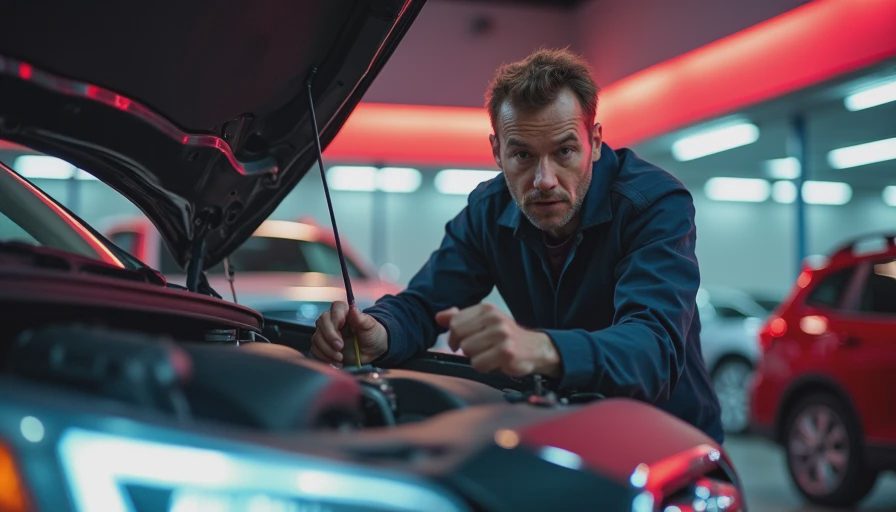
The biggest advantage in the Subaru Outback 3.6R vs H6 engine discussion is that the six-cylinder has more effortless reserve than the common 2.5-liter four-cylinder. You feel it merging onto Interstate 5, climbing a loaded pass, or pulling away from a wet intersection with passengers and camping gear aboard. It does not need to be worked as hard, and the power delivery is smooth from low speed through highway cruising.
That extra ease is useful rather than theatrical. The engine is quiet at a steady speed, and the CVT can keep the motor in its comfortable range without hunting through traditional gears. Claire notices this on long drives: fewer frantic sounds from under the hood when the car is full of luggage and children. Socket is less interested in engine architecture, but he does appreciate a wagon that does not jolt his water bowl around every corner.
The tradeoff is fuel consumption. A 3.6R commonly returns noticeably fewer miles per gallon than a comparable 2.5-liter Outback, especially in city driving, winter conditions, or when carrying a roof box. If you drive 15,000 miles annually, even a difference of 4 to 6 mpg can add several hundred dollars to yearly fuel spending, depending on local prices.
Reliability and repair points I inspect first
A well-maintained EZ36D can be a durable engine, but age and service history matter more than the badge. When one arrives at my Portland shop, I look for oil seepage around the valve-cover area, timing-cover perimeter, and other gasket joints. A light film is different from oil reaching the exhaust, dripping onto the driveway, or requiring repeated top-offs. The inspection should document which situation you have.
Cooling-system condition deserves equal attention. Check the radiator, hoses, thermostat behavior, and signs of dried coolant around connections. An overheating event can create a much larger bill than routine preventive work. Listen for unusual bearing noise from pulleys and accessories, and confirm that the engine starts cleanly when cold. A seller who warms the vehicle before you arrive may be hiding a symptom that only appears after sitting overnight.
The CVT is part of the ownership equation. Ask for evidence of transmission fluid service rather than assuming “lifetime fluid” means never inspect it. During a test drive, acceleration should be smooth and predictable. Shuddering, delayed engagement, loud whining, or a warning light deserves a professional scan before purchase. A diagnostic inspection costing roughly $150 to $250 is cheap compared with guessing at a replacement transmission.
The used-market choice: engine condition over trim glitter
When comparing examples, I would choose a clean, documented 3.6R with 120,000 miles over a neglected one with 80,000 miles. Maintenance records, rust condition, tire matching, and transmission behavior tell you more than leather color or a panoramic roof. All four tires should be the same size and reasonably close in tread depth because Subaru's all-wheel-drive system is sensitive to mismatched rolling circumference.
Look underneath for corrosion, especially on vehicles that spent years in salted winter states. Inspect the exhaust, subframes, brake lines, and suspension mounting points. A Pacific Northwest car can avoid some road salt but still develop underbody corrosion from moisture and parked outdoor storage. Check the power liftgate, heated seats, climate controls, and infotainment system because electrical repairs can consume the savings from a lower purchase price.
In the Subaru Outback 3.6R vs H6 engine comparison, model year also changes the shopping strategy. Earlier vehicles may offer simpler equipment but more age-related rubber and suspension work. Later examples can feel more refined while carrying higher purchase prices and more electronic features. Have a Subaru-focused technician perform a pre-purchase inspection, not just a quick oil-change-lift glance.
Who should buy the six-cylinder Outback?
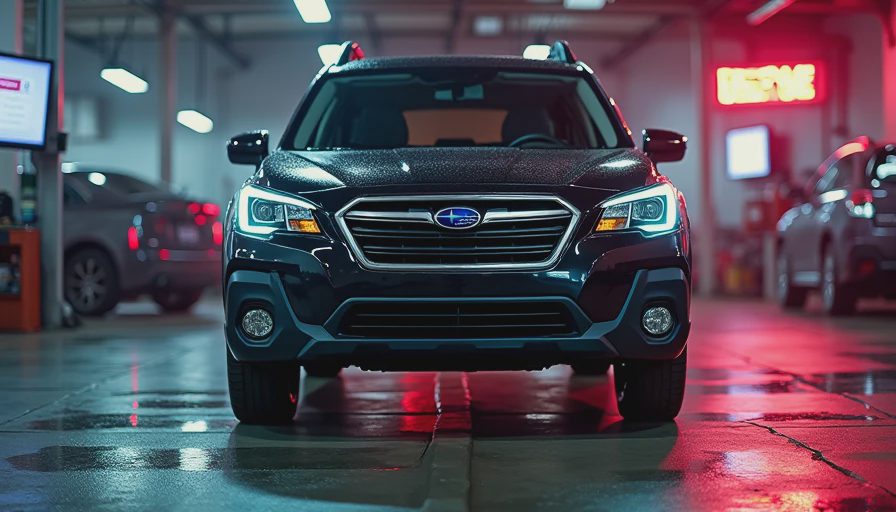
The 3.6R makes sense for a driver who regularly carries adults, luggage, bikes, or camping equipment and wants relaxed power without a turbocharged engine. It is also appealing to buyers who dislike the strained feeling of a smaller engine on long grades. Towing capacity and actual trailer weight still need to be checked against the specific vehicle and hitch setup; do not treat the larger engine as permission to exceed the manufacturer's limits.
It makes less sense for a commuter whose top priority is fuel economy. A 2.5-liter Outback is usually the rational choice for light loads, ordinary city travel, and a lower purchase budget. A turbocharged XT can offer stronger acceleration in newer generations, but its added hardware brings a different maintenance profile. The six-cylinder is the middle path: smooth, naturally aspirated, and mechanically more substantial than the base engine, but not cheap to feed.
My buying checklist and final advice
Before making an offer, complete these steps:
- Match the VIN, model year, trim, and engine against the seller's description.
- Start the engine cold and watch for smoke, rough running, warning lights, or rattles.
- Inspect oil and coolant levels, then look for active leaks underneath.
- Test the CVT from a stop, during steady cruising, and on a moderate incline.
- Verify tire brand, size, tread depth, service records, and accident history.
- Budget for immediate fluids, brakes, tires, and suspension wear instead of spending every dollar on the purchase price.
The honest conclusion in the Subaru Outback 3.6R vs H6 engine debate is simple: these names usually describe the same six-cylinder choice, not rival engines. Buy the engine when its smooth reserve fits your real workload, not because “H6” sounds more special in an advertisement. A documented example can be a wonderfully calm family hauler. A neglected one can turn its extra power into extra repair bills.
I would pay for the inspection, negotiate from verified faults, and keep a repair reserve of at least $1,500 to $2,500 after purchase. That is not pessimism; it is how you keep an older all-wheel-drive car from becoming an emergency. The data is for the engineers. The feel is yours.


No signals yet — transmit the first.