A subaru boxer engine 100000 miles into its life is not automatically worn out, neglected, or one tow truck away from retirement. In my shop, I have seen properly maintained Subarus at 150,000 and 200,000 miles that start cleanly, use little oil, and feel tighter than neglected cars with half the mileage. I have also seen 90,000-mile examples with leaking gaskets, overheated heads, and maintenance records that consist of one oil change receipt from a quick-lube counter.
The important question is not simply whether the odometer shows six digits. It is how the engine got there. Subaru's horizontally opposed design has real advantages, including a low center of gravity and a compact layout. It also places some seals, spark plugs, and cooling-system components in tighter spaces. At 100,000 miles, history matters more than the badge on the hood.
Why the boxer design changes the inspection
A boxer engine has cylinders lying flat on opposite sides of the crankshaft. The pistons move toward and away from each other, which helps the engine run smoothly and keeps weight low. That is part of why an Outback or Forester feels planted on a wet Portland road instead of top-heavy in a quick bend.
The tradeoff is access. The cylinder heads sit beside the frame rails, and the valve covers are close to the inner fenders. A spark plug job that looks simple on a four-cylinder inline engine can take more patience on a Subaru. Labor costs are not automatically outrageous, but a shop still has to work around the layout. A routine plug and wire or coil service can land around $250 to $600, depending on the model, parts, and local labor rate.
Engine family matters, too. Older EJ-series engines commonly use timing belts, while many later FB-series engines use timing chains. A belt is a scheduled maintenance item even when the engine is running perfectly. A chain is not a lifetime guarantee; worn guides, tensioners, or oil-related problems can still create trouble. Never approve a repair based only on the words “boxer engine.” Get the year, model, engine code, and service history.
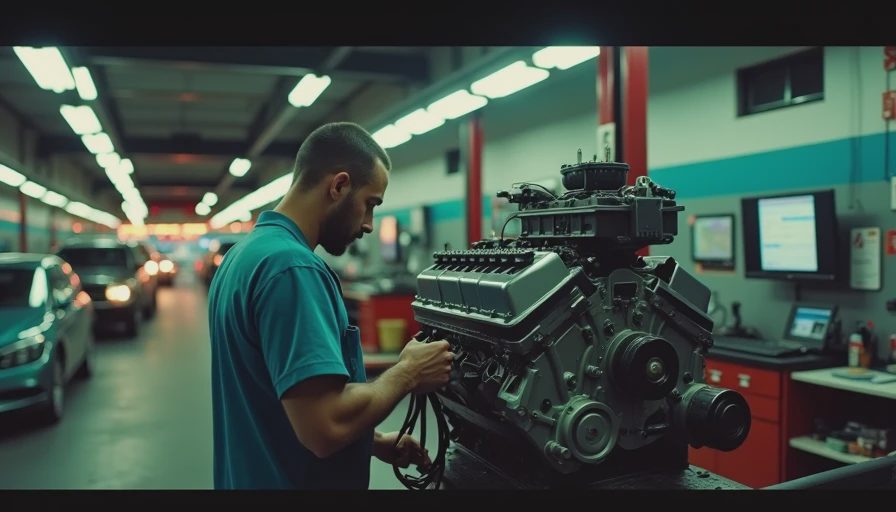
What should be done at 100,000 miles
For a subaru boxer engine 100000 miles inspection, I start with the records and then confirm the physical evidence. Look for regular oil changes, cooling-system work, spark plug replacement, differential service, and timing-belt documentation where applicable. A missing timing-belt receipt on an older EJ model can turn a seemingly cheap purchase into a $900 to $1,600 maintenance bill shortly after delivery.
The inspection should include a cold start. Listen for extended cranking, heavy piston slap, sharp ticking, or a deep knock. Some cold mechanical noise can be normal, but it should settle as oil pressure and temperature come up. Watch the exhaust after startup. A brief puff is different from persistent blue smoke, which can point to oil entering the combustion process.
A technician should check oil leaks around the valve covers, cam carriers, front timing cover, oil pan, and rear of the engine. A damp surface is not the same as an active drip, but oil running onto the exhaust can create smoke and a sharp burned-oil smell. Check the coolant for the correct color and condition, and inspect the radiator, hoses, thermostat area, and water pump for evidence of overheating or previous repairs.
Compression testing and leak-down testing are useful when symptoms or records raise questions. A healthy engine does not need identical numbers on every cylinder, but a significant imbalance deserves an explanation. A scan tool can also reveal misfire history, fuel-trim problems, and emissions monitors that were recently reset before a sale.
Common costs hiding behind the milestone
The subaru boxer engine 100000 miles question often becomes a budget question. Routine service might total $500 to $1,200 if the car needs fluids, plugs, filters, belts, and a thorough inspection. That is very different from a major repair. A valve-cover reseal may cost roughly $400 to $900. A radiator or cooling-system repair can range from $300 to $1,000. A timing-belt service with related pulleys and a water pump commonly reaches four figures on older models.
Head-gasket concerns deserve a calm diagnosis, not internet panic. Some older Subaru engines developed gasket leaks, but an overheated engine, low coolant, combustion gases in the cooling system, or repeated coolant loss are the evidence that matters. White exhaust vapor after warm-up, bubbles in the reservoir, contaminated oil, or an overheating gauge should end a casual purchase until testing is complete.
The automatic transmission and differentials also deserve attention. Subaru's all-wheel-drive system depends on matching tire circumference, so four tires with substantially different tread depth can create drivetrain stress. A buyer focused only on the engine can miss a transmission shudder or differential noise that costs several thousand dollars to correct.

Buying a used Subaru at this mileage
When I evaluate a subaru boxer engine 100000 miles for a customer, I would rather see 10 years of consistent records than a glossy engine bay. Ask for invoices, not just a seller's memory. Look for the mileage and date on each repair. A folder showing oil changes, tire rotations, cooling repairs, and scheduled service tells a more useful story than a claim that the car was “babied.”
Drive the vehicle long enough to reach full operating temperature. The engine should idle steadily, pull without hesitation, and restart easily after a hot soak. Test the air conditioning, defroster, warning lights, cruise control, and all-wheel-drive-related functions. On a road with a safe, empty shoulder, listen for wheel-bearing hum, clicking axles, and suspension clunks. Those are not boxer-engine failures, but they affect the real purchase price.
Leave room for an immediate maintenance reserve. I would want at least $1,500 available after buying a 100,000-mile Subaru, and more if the records are thin. That money is not a prediction of disaster; it is protection against the ordinary pileup of tires, fluids, brakes, battery, hoses, and one unpleasant surprise.
How to extend engine life past 100,000 miles
Use the correct oil viscosity and change it at a sensible interval for the engine, driving conditions, and owner's manual. Check the oil level regularly, especially if the engine has begun using some between changes. A low oil level can damage bearings, timing components, and variable-valve-timing systems long before a warning light gives useful notice.
Keep the cooling system boring. Replace aging hoses, repair small leaks promptly, and do not continue driving while the temperature gauge climbs. Overheating is one of the fastest ways to turn a manageable gasket or hose issue into a cylinder-head repair.
Use matching tires, maintain correct pressures, and service the differentials and transmission according to the maintenance schedule. Let the engine warm before demanding heavy throttle, but do not spend ten minutes idling it every morning. Normal, gentle driving until it reaches operating temperature is usually the better routine.
The shop answer
A subaru boxer engine 100000 miles can be an excellent ownership proposition when maintenance is documented and the inspection is honest. It can also be an expensive lesson when a buyer treats the mileage as the only fact that matters. I would buy a clean, well-recorded Outback, Forester, Legacy, or Impreza at this milestone before I bought a lower-mile car with overheating evidence, mismatched tires, and no service history.
Pay for a pre-purchase inspection from a Subaru-savvy independent shop. Ask for a written report, an oil-leak assessment, scan results, and a list separating urgent repairs from future maintenance. That report gives you leverage to negotiate a $700 service bill without pretending a $4,000 engine problem is minor.
The data is for the engineers. The feel is yours. At 100,000 miles, the feel starts with a quiet cold start, a stable temperature gauge, a clean inspection, and records that make the next 50,000 miles believable.



No signals yet — transmit the first.