The 2000 Mitsubishi Eclipse Coupe is one of those cars people either loved in high school or forgot entirely. Two decades later, they keep showing up in my Southeast Portland shop. If you're shopping for one, you need to know which engine, which transmission, and which rust spots are worth your time. This isn't a lap-time review. It's a wrench-in-hand look at what actually matters.
What the 2000 Mitsubishi Eclipse Coupe Gets Right
This generation gets a lot right for a car from the late nineties. The base model's 2.0-liter four-cylinder makes around 140 horsepower, which doesn't sound like much today, but it only hauls a lightweight coupe. The GT model's 3.0-liter V6 is the one people remember. It pulls cleanly, sounds better than a four-cylinder, and pairs fine with a five-speed manual. The chassis is simple and honest. Struts in the front, multilink in the rear. Nothing exotic, which means parts are cheap and repairs are straightforward. The interior is a product of its time. The cabin is snug, and if you're over six feet tall, your head will skim the headliner. Mia fits in the back for short rides, but Claire says she wouldn't want to sit back there for a full tank. That's the honest truth: this is a two-seat car with a package shelf.
The 2.0-Liter and 2.4-Liter Engines: What Actually Fails
Under the hood, this car came with three main choices. The base RS had a 2.0-liter four-cylinder. The GS came with a 2.4-liter, and the GT got a 3.0-liter V6. The four-cylinders are tough, but they have a weak spot: the timing belt. It's an interference engine, so if the belt snaps, you're looking at a head job. I've seen two of these with bent valves because someone skipped the 60,000-mile interval.

Change the belt and water pump the week you buy the car. The V6 leaks coolant from the lower intake manifold gasket over time. It's a few hundred dollars to fix, not a catastrophe. Rust on the oil pan is common in the Northwest. A used pan is cheap, but the corrosion tells you how the car lived.
Manual vs. Automatic: Which Transmission to Hunt For
If you can drive a stick, the five-speed manual is the only choice. The manual gearbox in the 2000 Mitsubishi Eclipse Coupe is notchy but reliable. The clutch is light, and it makes the car feel faster than it is. The automatic, by contrast, is the weak link. The four-speed automatic from this era was never great, and by the time you're looking at a 25-year-old example, it may shift hard or hesitate. A rebuild can cost $1,500 to $2,500, which is more than a clean car is worth. Test drive one cold. If the 1-2 upshift slams, walk away unless the price leaves room for a swap. I'd rather buy a high-mileage manual than a low-mileage automatic. The clutch job is about $800 to $1,200; the automatic rebuild is the kind of expense that turns a fun project into a parked lawn ornament.
Rust, Interior Plastic, and the Things a 25-Year-Old Car Needs
The big thing to check on any of these is the rear wheel arches and the floorpan. These cars rust from the inside out, especially along the rocker panels and around the rear strut towers. A little surface rust is normal. A hole you can poke a screwdriver through is not. Look underneath with a flashlight, not just at the paint. The plastic trim inside gets brittle. Door handles break, dashes crack, and center console tabs snap off.
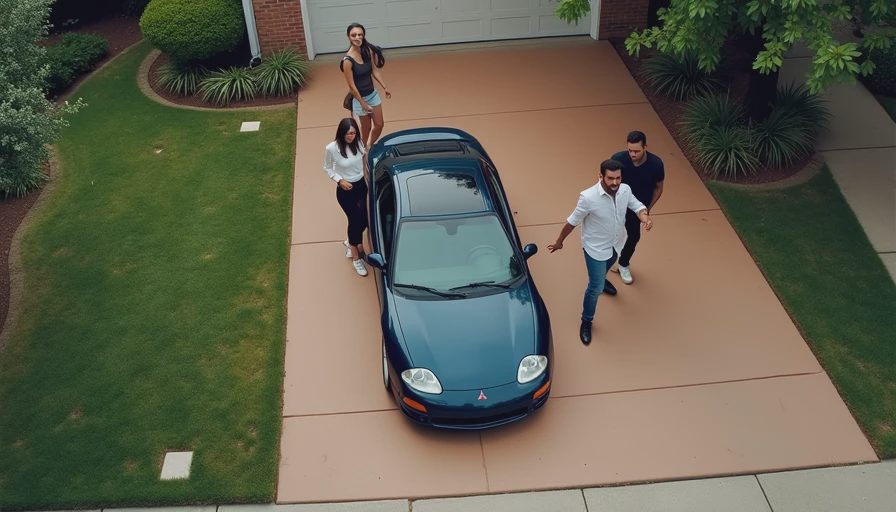
Replacement trim is getting hard to find. Junkyards are picking over these cars. You can still find some parts online, but expect to pay for good used pieces. The electrical system has a few known annoyances too. The power window regulators fail, and the alternator can be marginal at idle. Budget a few hundred dollars for deferred maintenance and you won't be surprised.
What Should You Pay in 2025?
So what should you pay? A rough, running example with 150,000 miles usually sells for $2,500 to $4,000. A clean manual GT with a documented timing belt and decent paint can hit $5,000 to $7,000 on the right day. That's not crazy money, but it's also not the $1,500 beater people remember. If you buy the cheap one, set aside at least $1,000 for maintenance before you drive it home. I tell customers to budget like a $3,000 car is actually a $5,000 car. The good news is that insurance on a 2000 Mitsubishi Eclipse Coupe is cheap. It's an old four-cylinder or a modest V6, and most carriers treat it as a weekend car. Liability-only coverage runs maybe $30 to $60 a month depending on your driving record. That leaves room in your budget for the repairs this car will eventually need.
Should You Buy One? My Honest Gut Check
If you're looking for a cheap weekend car that doesn't blend into the parking lot, this one is worth a look. It's not a sensible daily driver, and it won't be as reliable as a Honda Civic from the same year. But it has character, parts are reasonable, and the aftermarket still supports it. The key is buying the right one: a manual, a V6 or a well-kept four-cylinder, and a car that hasn't been rusted out underneath. Pay a little more for a clean example and take care of the timing belt immediately. If you find one with an automatic and a rough body, keep looking. The data is for the engineers. The feel is yours.




No signals yet — transmit the first.