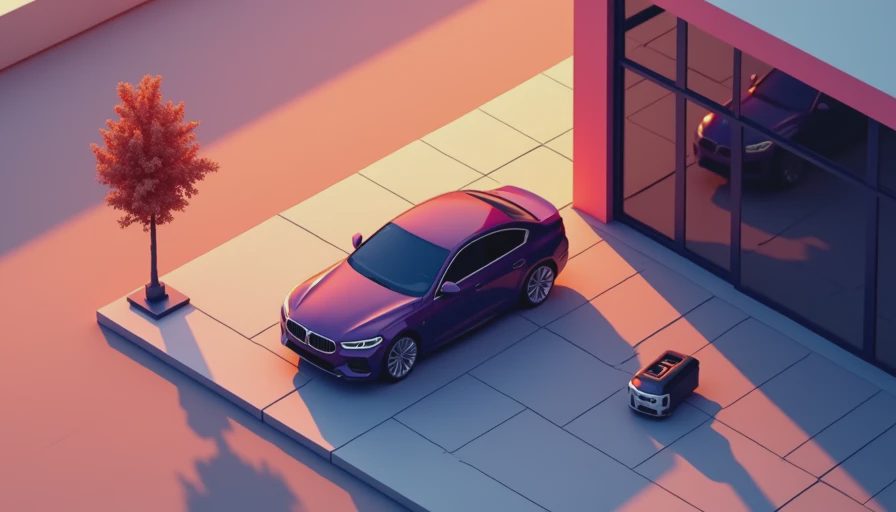
A dark purple car turns heads without asking permission, but the paint itself is not what your insurer prices. In the shop, I care more about the bodywork under that color than the color on top. If you're shopping for a dark purple car, the real questions are whether the finish is factory or custom, how easy it is to blend after a fender hit, and whether the car carries enough value to justify full coverage. That is where the bill moves. The data is for the engineers. The feel is yours.
Why a dark purple car usually doesn't change liability pricing much
Liability coverage pays for damage you cause to other people, so the insurer is looking at your record, your garaging address, the car's VIN, and how much coverage you want. Color does not enter that formula in any normal underwriting system I have seen. A sedan in deep plum and the same sedan in white typically quote the same when the trim and risk profile match.
What can move the premium is the car itself. A late-model Acura, Volvo, Genesis, or Subaru with expensive sensors and headlights costs more to fix than an older compact with plain steel. The same goes for driver history, annual mileage, and whether the policy sits in a state that uses credit-based pricing. If you want the cheapest number, a higher deductible on collision and comprehensive usually trims the bill more than worrying about the paint chip count.
For most buyers, the practical takeaway is simple. Pick the car you want, then quote it with the coverage you would actually use after a real loss. If the vehicle is financed, the lender will usually expect collision and comprehensive anyway. If it is paid off, you get to decide whether to self-insure the body panels and headlights.

Where a dark purple car can raise repair bills
Now the color starts to matter, but only because of repair math. A dark purple car with factory paint is easy enough for a good body shop to blend, but a custom pearl, matte wrap, or hand-mixed finish can add time and labor. That shows up when a bumper gets scraped, a door gets dinged, or a quarter panel needs to be feathered into the next panel so it does not look like a patch job.
On newer cars, a repaint on one corner can run from roughly $700 to $1,500, and a bigger side repair can climb past $2,000 once labor and calibration work are included. If the finish is unusual, the shop may spend extra hours matching tint and clearcoat. That does not mean the insurer hates the car. It means the estimate reflects how long a human with a spray gun and a sanding block actually needs.
This is where comprehensive and collision coverage earn their keep. A rock chip on a hood is nuisance-level damage; a deer strike, parking-lot crush, or rear-end hit can turn into a real bill fast. If you are debating a $500 deductible versus a $1,000 deductible, the higher deductible can shave a few dollars a month, but it also means you are writing a larger check when the repair lands. That trade matters more than the color name on the invoice.
What to tell the agent about a dark purple car
If the car is factory painted, say so and move on. If it has a wrap, a custom refinish, aftermarket wheels, or bodywork that changed the car from stock, mention it up front and keep the paperwork. Photos, invoices, and the original window sticker help more than a long explanation over the phone. I have seen a clean file settle a claim faster simply because the adjuster did not have to guess what was original and what was added later.
This is also the moment to ask about rental reimbursement and OEM parts language if the policy offers it. Rental coverage is not glamorous, but it keeps a driver from sitting at home while a bumper and radar sensor are on backorder. OEM parts matter more on some late-model luxury and safety-heavy cars because aftermarket fit can be a headache. None of that is tied to the color. It is tied to how expensive the car is to put back together correctly.
The coverage pieces that matter more than color
Liability protects your wallet when you damage someone else’s car, fence, or bumper. Collision pays to repair your own car after an at-fault crash or a hit-and-run with another vehicle. Comprehensive handles theft, vandalism, glass, fire, flood, hail, and animal strikes. If a dark purple car is only worth a modest amount on paper, you may decide the premium for collision is not worth it. If it is a newer car with a loan balance, dropping it would be penny wise and pound foolish.
Uninsured and underinsured motorist coverage deserves a look too, because the biggest bills often come from the other driver being underinsured, not from your own paint choice. Glass coverage can be worth the small extra cost if the car has a large windshield or a camera behind the glass. In plain English: the parts that protect you from a bad day are the ones worth comparing line by line, not the color chip on the brochure.
A Portland shop example that shows the math
A few months back, a customer rolled in with a used luxury sedan in a deep plum factory color. Nice car, decent miles, clean title, but it had a front bumper scrape from a garage post and a cracked fog lamp bracket. The color was not the issue. The issue was that the bumper had parking sensors, a camera, and a trim piece the dealer wanted to sell as one expensive assembly. The repaint was straightforward. The parts bill was not.
When we ran the numbers, the owner was looking at a repair estimate that would have made a $500 deductible feel reasonable. On the insurance side, the difference between a high and low deductible was small enough that the owner chose the lower out-of-pocket route and kept full coverage. That was the right call because the car still had value, and because the shop time to blend the front corner would have cost real money either way. Claire likes to say a policy should survive one miserable Tuesday. She is right.
When the color should and should not influence your buy decision
A dark purple car is not automatically risky, rare, or expensive to insure. What matters is whether the finish is standard, whether the car is financed, and whether the deductible fits a real emergency. If you love the look, buy the car. Do not talk yourself out of a good vehicle because the color sounds dramatic.
The sensible move is to check whether the paint is factory, whether the car has been modified, and whether the coverage matches the value and repair cost of the vehicle. If the car is common and the finish is standard, keep the quote simple. If the finish is custom or the vehicle is heavily optioned, ask for the extra coverage now instead of after the first claim. That is the whole game, and it is a lot easier to sort out before you sign the papers than after the bumper is on a stand.





No signals yet — transmit the first.