If you are looking at a Mitsubishi Eclipse 2000 GT V6, you are probably not shopping for a museum piece. You want a coupe with a little shape, a real V6, and enough personality to make the drive home feel better than another gray appliance. That is the right mindset. The car is old enough now that condition matters more than brochure specs, and the cleanest ones are usually the ones that were maintained by someone who kept receipts instead of excuses. In my shop, the good ones are not rare because they are fast. They are rare because they survived rust, deferred maintenance, and a few years of being treated like they were worth less than the repair bill.
What the Mitsubishi Eclipse 2000 GT V6 gets right
The appeal is simple. You get a front-drive coupe with a 3.0-liter V6, a shape that still looks low and purposeful, and a cabin that feels more serious than a lot of economy coupes from the same era. It is not trying to be a rear-drive sports car. That matters, because once you stop expecting it to behave like a Mustang or an MR2, the car starts making sense. The steering is light, the V6 has enough smoothness to make highway miles easy, and the chassis is happiest when you are driving at a normal pace with occasional enthusiasm, not chasing a number on a stopwatch.
The nice surprise is how usable it can be if the suspension has not been neglected. A tight example feels solid over broken pavement and does not need a heroic amount of revs to move with traffic. Claire would call it a sensible commute car with a prettier face, which is probably the highest praise an old coupe can get in our house.
The engine and the parts that age out first
The V6 is the reason people still ask about the car, but the engine is also where the age bill shows up. Timing belt service is the big one. If the belt history is fuzzy, price the car as if that job is due now. On these older V6 cars, that service usually makes sense with the water pump, idlers, and seals while you are in there. An independent shop can often land somewhere around $800 to $1,500 depending on parts quality and local labor rates, and that is the kind of money that separates a cheap buy from an actually cheap ownership story.
Watch for oil leaks around the valve covers and the front of the engine, tired motor mounts, and cooling system parts that look fine until they are hot. A coolant hose that feels soft in the lot can become a tow later. Spark plugs, ignition wires on some cars, and old vacuum hoses are not glamorous repairs, but they make the difference between a smooth cruiser and a car that feels tired every morning. This is where the right seller matters more than the right ad photo.
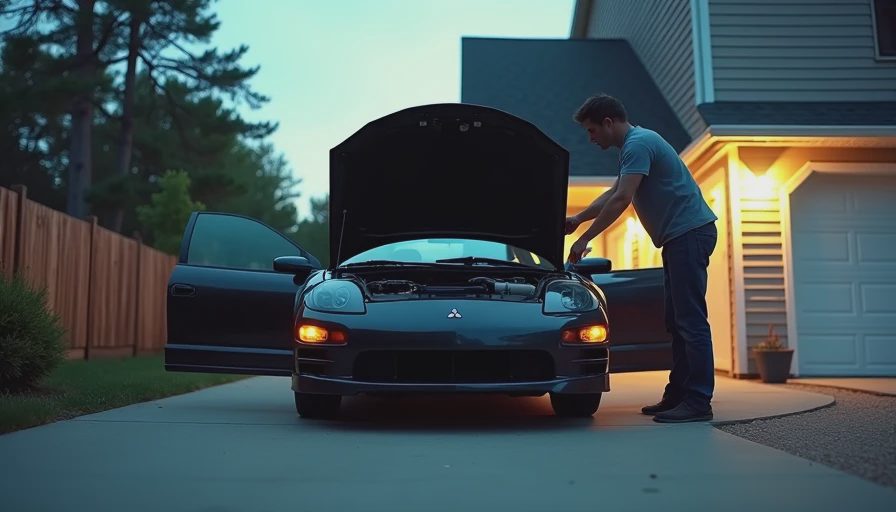
What to inspect before you hand over cash
Start with the body. Rust is the deal breaker on an old coupe, especially around the rear wheel arches, rocker panels, and the underside where road salt likes to hide. If you see bubbling paint, do not talk yourself into it because the interior is clean. Interior trim can be replaced in a weekend. Rust usually becomes a project that never ends the way you hoped.
Then check for uneven tire wear, loose front-end feel, and clunks over small bumps. Those are often worn bushings, struts, or ball joints. None of that is exotic, but it adds up. A car with bad tires, weak brakes, and suspension work waiting in line can easily swallow another $1,000 to $2,000 before it feels right. Ask for cold-start behavior, look for smoke, and make sure the transmission shifts cleanly. A sloppy automatic or a manual that grinds into gear changes the whole math fast.
If the seller has maintenance records, read them like a detective. Receipts for the timing belt, coolant service, brake work, and transmission service are worth real money because they shorten your guessing game.
What it costs to live with one
This is where the Mitsubishi Eclipse 2000 GT V6 turns from an interesting buy into a practical one, or not. A clean driver usually lands in the low thousands, and the very good cars can push higher if they are rust-free and documented. I would rather pay more for a straight, maintained car than save a grand and inherit three years of neglect. That is not a luxury-car lesson. That is an old-car lesson.
Fuel economy is not the headline here, but it is better to think in terms of mixed driving and use case than in love letters to power. Tires, brakes, fluids, and belts are normal wear items, but if you shop smart, none of them should be shocking. The real budget killer is the one-time catch-up service when the car has been ignored. After that, the car can settle into a reasonable pattern if you are not asking it to be something it never was.
For insurance, this is usually not a collectible-policy car unless the example is unusually clean and low-mileage. Most owners will do fine with standard coverage, and the big decision is usually whether the car is worth comprehensive if it lives outside or in a theft-prone area. On a $4,000 to $7,000 car, I usually tell people to match the deductible to the car's actual value instead of picking a number that makes sense on a newer sedan.
Who should buy one now
Buy it if you want a coupe with real personality, you are comfortable doing basic maintenance, and you can inspect a used car without falling for shiny paint. Buy it if you want something that feels like a car from a time before screens took over the dashboard. Skip it if you need quiet luxury, current safety tech, or a car that can absorb neglect without complaint. This is not the kind of old car you save with optimism.
The best owner is the person who can say, yes, this one has records, yes, the body is straight, and yes, I can budget for the first round of catch-up work. That buyer ends up with a fun daily driver or a decent weekend coupe instead of a driveway ornament.
My shop note
When a Mitsubishi Eclipse 2000 GT V6 shows up in decent shape, I do not see a disaster. I see a car that rewards boring maintenance and punishes wishful thinking. That is usually a good trade. If you are cross-shopping it against newer transportation, remember the rule I use with Claire's advice in the back of my head: if the car would annoy you every Monday morning, it is the wrong buy no matter how good it looks on Saturday.
The data is for the engineers. The feel is yours. But for this one, the feel is best when the records are thick, the body is clean, and the timing belt is not an open question.





No signals yet — transmit the first.