The Saab 9-2x Aero tuning potential is easy to understand once you stop looking at the badge and start looking underneath it. This unusual wagon is closely related to the Subaru Impreza WRX, which means it has a turbocharged flat-four, all-wheel drive, a manual transmission, and an aftermarket large enough to fill several garages. It also means a careless owner can turn a usable commuter into a noisy project with an expensive appetite for parts.
I have a soft spot for the 9-2x Aero because it is exactly the sort of car people overlook. It gives you Saab seats, a quiet cabin, and a hatchback body, but the mechanical foundation responds to familiar Subaru upgrades. The trick is preserving the parts that make it pleasant to live with. The data is for the engineers. The feel is yours.
Why the Aero responds so well to upgrades
The Aero uses the WRX-based EJ255 turbocharged engine and symmetrical all-wheel-drive system. In factory form, it is quick enough for merging, wet roads, and a mountain trip without requiring constant attention. Its turbocharger, intercooler, exhaust, fuel system, and engine computer also give you several sensible paths for improvement.
The first stage should not be a giant turbo. A healthy example usually benefits more from maintenance and calibration than from expensive hardware. Replace tired vacuum lines, inspect the intercooler couplers, confirm the boost-control system works correctly, and check for oil leaks before adding power. A compression test and leak-down test are worthwhile on any car with unknown history.
A conservative electronic tune, paired with a quality intake and a properly selected exhaust, can make the car feel sharper without ruining its manners. The tuner should work from the car's actual hardware, fuel quality, and health rather than loading a generic file. That distinction matters. Two 9-2x Aeros with the same mileage can have very different cylinder sealing, clutch wear, and knock behavior.
The Saab 9-2x Aero tuning potential is strongest when upgrades are layered. Think of the engine as a kitchen faucet: improving the supply, control, and drainage together works better than forcing one part to do everything.
A sensible upgrade path
Start with a baseline service. Use the correct oil, replace worn spark plugs, inspect the timing-belt service history, and verify that the cooling system holds pressure. The EJ255 is not an engine that rewards skipped maintenance. A neglected belt, weak tensioner, or marginal cooling component can erase the budget for every performance part you planned to buy.
Next, address handling. Fresh struts, quality tires, and an alignment often produce a bigger improvement in daily driving than a loud exhaust. A good set of summer or all-season tires in the correct size helps the wagon turn, stop, and communicate without making Claire complain about every expansion joint on the freeway. If the car sees rough pavement, avoid extremely stiff coilovers. A moderate spring and damper combination is usually more useful.
After that, consider a mild tune and supporting exhaust work. A high-flow downpipe can change emissions behavior and may create inspection problems depending on where the car is registered. Removing emissions equipment is not a responsible street-car upgrade, and it can make insurance and resale conversations more complicated. Keep the original parts whenever possible.
Owners chasing more power should budget for a clutch, fuel-system checks, and better engine monitoring. A boost gauge, wideband air-fuel monitoring, and regular fluid inspection are more useful than a dashboard full of decorative gauges. The Saab 9-2x Aero tuning potential is real, but the supporting systems decide whether that potential becomes dependable transportation.
Where modified Aeros usually need attention
The clutch is a common budget surprise, especially if the car has been launched, driven aggressively, or fitted with a stronger turbo. A replacement clutch job can land around $1,500 to $3,000 at an independent shop, depending on parts and regional labor rates. A stronger clutch may hold more torque, but it can also make traffic less pleasant and reveal wear elsewhere in the driveline.
The transmission and differentials need clean, correct fluid. Whining, binding during tight turns, or clunks on throttle changes deserve investigation before a tune. Wheel bearings, control-arm bushings, axles, and driveshaft components are all old-car concerns now, not theoretical future problems.
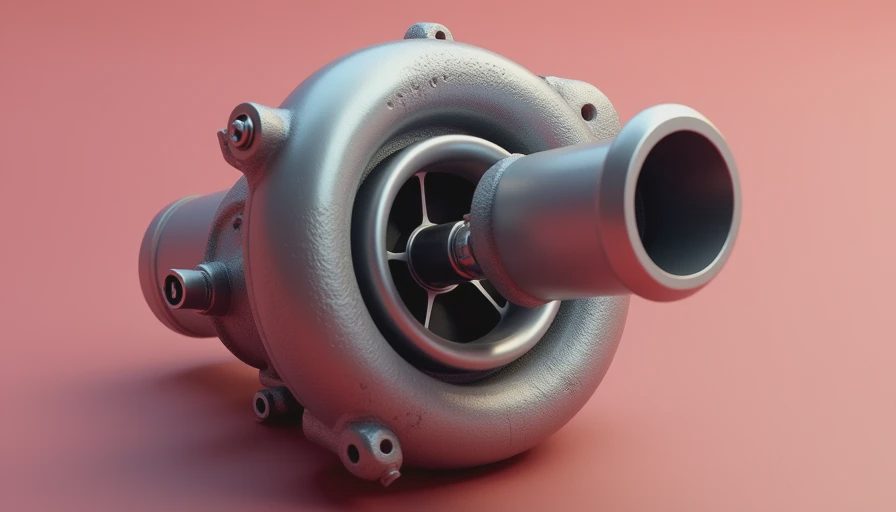
The turbocharger also deserves an honest inspection. Oil smoke, shaft play, unusual siren noise, or inconsistent boost can indicate a failing unit. Installing a larger turbo on a tired engine is like putting a bigger pump on a cracked garden hose. It does not solve the weakness; it exposes it faster.
Rust inspection matters as much as horsepower. Look at subframes, brake lines, suspension mounting points, hatch seams, and the underside of the doors. A clean shell with faded paint is often a better purchase than a shiny car with corrosion underneath. The best Saab 9-2x Aero tuning potential belongs to a solid car, not necessarily the cheapest car.
Insurance, legality, and daily usability
Tell your insurer about meaningful performance modifications. A tune, turbocharger, wheels, suspension, or custom electronics can affect how a carrier evaluates a claim, particularly if the vehicle is totaled or a modified part is damaged. Standard comprehensive and collision coverage does not automatically mean every aftermarket component is covered at its replacement cost. Ask about custom-parts or equipment coverage and keep receipts, photographs, and installation records.
Liability coverage remains focused on damage or injuries you cause to others, not on recovering the money spent building the car. Collision coverage addresses damage from a crash, while comprehensive generally covers non-collision losses such as theft, fire, falling objects, or weather. Deductibles still apply. A quote before buying parts can prevent an unpleasant surprise later.
Legality also varies by location. Emissions equipment, noise levels, lighting, and ride height can all matter. A modification that passes a casual visual check in one area may fail an inspection elsewhere. If this is your only car, preserve the original exhaust and intake parts. Reversibility has real value when a job, insurer, or inspection requirement changes.
What the tuning budget should look like
For a careful refresh, reserve roughly $1,000 to $2,500 before performance work. That can cover fluids, plugs, hoses, a belt-related inspection, filters, and small seals. A mild street build might add $1,500 to $4,000 for a tune, exhaust components, tires, and suspension service. A larger turbo project can pass $7,000 quickly once fuel delivery, clutch work, engine monitoring, and labor are included.
Buy the car's condition, not its modification list. A documented example with stock hardware may need less money than a modified one advertising a custom map and “built motor” without receipts. Ask who performed the tune, what fuel was used, whether the engine was opened, and whether the car has been driven regularly. A folder of invoices tells you more than a bright anodized intercooler.
If the budget is tight, spend first on tires, brakes, cooling, and diagnosis. Those upgrades make the car safer and more enjoyable even if the power plan stops there. That is one of the most practical advantages of the Saab 9-2x Aero tuning potential: you can improve the experience in stages instead of committing to one giant build.
My recommendation for a usable Aero
I would choose a structurally clean, mostly stock 9-2x Aero with service records, then make it faster in small steps. Start with health checks, fresh rubber, brake work, and suspension restoration. Add a reputable conservative tune only after the engine proves it is ready. Keep the exhaust civilized, retain emissions equipment, and leave enough money for the first unexpected repair.
The result should still carry Mia to school, give Socket room in the hatch, and let Claire finish a long drive without a headache. That is the real Saab 9-2x Aero tuning potential: not a dyno number or a parts catalog fantasy, but a rare wagon that feels more capable while remaining easy to live with. If you find one, get a pre-purchase inspection from a shop that understands both Saab interiors and Subaru mechanicals. Then build the car you will actually drive.





No signals yet — transmit the first.