Weird looking cars get laughed at in parking lots, then quietly show up on the used market for less money than they should. That is usually where the smart shopper starts paying attention. In my shop, the oddballs are often the ones that make a buyer pause, then ask better questions about seat comfort, repair history, and parts support. I care less about whether the shape is normal and more about whether the car will still feel decent after 40,000 more miles. Claire says a car has to be something she could sit in after a 12-hour shift without feeling punished, and Mia is a brutally honest critic of anything with a strange dashboard. That is a better test than internet snark. The data is for the engineers. The feel is yours.
Why the ugly one on the lot can be the better deal
A lot of weird looking cars lose value fast because people shop with their eyes first. That does not mean they are bad cars. It often means the market is shallow. If a model looks polarizing, fewer people fight over it, which can push prices down by a few thousand dollars compared with a cleaner but more ordinary rival. The trick is separating fashion from hardware. A Honda Element, Subaru Baja, Nissan Juke, Volvo C30, or BMW i3 all got side-eye when new, but each one solved a real problem for a certain driver. Cargo access, easy parking, efficient packaging, or a cabin that feels different in a good way can matter more than a smooth nose and a chrome grille.
In the shop, I see the same pattern over and over: the body style gets all the attention, while the real questions sit underneath. How expensive are brakes? Are the tires a weird size that only two brands make? Is the rear hatch sealed well after ten winters? Those details decide whether a bargain stays a bargain. When a car is unpopular because it is genuinely inconvenient, I pass. When it is unpopular because it looks like nothing else on the road, I take a longer look.

What to inspect before you let the shape distract you
The first thing I check on weird looking cars is not the paint. It is parts availability. If a headlamp assembly costs $1,200 and has to come from a single supplier, a light tap in a parking lot turns into an ugly bill. The same goes for body panels, trim clips, and glass. Weird shapes sometimes use uncommon parts, and uncommon parts can turn a $300 repair into a four-figure one fast.
Next I look at wear items. A car can be stylish and still chew through tires, suspension bushings, or cabin filters in annoying ways. If the owner forums are full of comments about sagging liftgates, weak air-conditioning compressors, or water leaks around the hatch, believe that pattern before you fall for the design. A clean service record matters too. Oil changes, transmission fluid service, brake fluid, and coolant intervals do not get less important because the car has a quirky silhouette.
I also tell shoppers to sit in the thing for ten minutes before they drive it. Reach for the radio, the climate controls, and the mirror adjustments. If Mia can figure out the basics faster than the average adult, that is a good sign. If the controls feel like a prank, keep moving. Weird looking cars are only worth buying when the weirdness is on the outside and the ownership experience is calm inside.
Insurance and ownership costs are where odd styling can still bite you
Most insurers do not set rates based on whether a car looks normal or strange. They care more about the vehicle’s value, theft risk, repair cost, and how often it gets into expensive claims. That is why two cars with similar sticker prices can land in very different insurance bands. A compact crossover with cheap body parts may be easy to insure, while a low-volume hatch with specialty glass and expensive sensors can cost more even if it looks harmless.
This is where comprehensive and collision coverage matter. Comprehensive helps with theft, hail, glass damage, and other non-crash losses. Collision helps when the car hits something or gets hit. If the car you want has rare panels or a fragile front end, a low deductible can make sense because the repair math gets ugly quickly. Liability still matters too, because the shape of the car does not protect you if you cause damage to someone else.
Call around for quotes before you buy, especially if you are looking at a car with unusual headlights, an electric drive system, or a brand that never sold huge numbers in the U.S. Big carriers like Geico, Progressive, and State Farm all price from their own claims data, so the spread can be wider than people expect.
The models that tend to age better than their looks suggest
Some weird looking cars age better than they should because the engineering underneath is straightforward. The Volvo C30, for example, shares enough basics with other Volvos that a shop familiar with the platform can keep it sane. The Nissan Juke is odd enough to spark jokes, but its small footprint and simple mission made it easy for certain drivers to live with. The Honda Element is still sought after because the interior packaging is honest and durable, not because anyone framed it as beautiful. The Subaru Baja remains a cult favorite because it does truck duty in a way few small vehicles ever did.
What I tell buyers is simple: odd styling is not the same thing as odd maintenance. A car that was built from common parts can be a fine bet even if it looks like a concept car that escaped the design studio. On the other hand, a low-volume luxury model with unique electronics can become expensive the moment age and miles start stacking up. That is where the repair orders matter more than the brochure.
If you are watching listings, look for one-owner cars, complete records, and signs that the seller actually used the vehicle the way it was meant to be used. A clean underbody, matching tires, and no mystery warning lights are better clues than a glossy ad photo shot from one flattering angle.
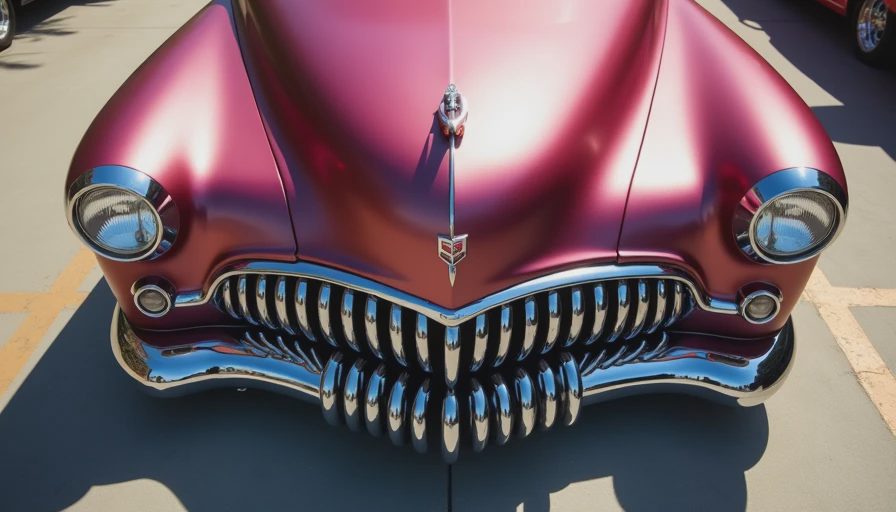
How to buy with your head when the heart likes the weird one
Start with a simple question: what job is the car supposed to do? If the answer is commuting, hauling a kid’s sports gear, and surviving winter slush, then the right choice is the one that does those jobs without drama. A car can be a conversation starter and still be practical. It just has to fit your life. That is why I like to see a buyer sit in the back seat, load the cargo area, and check visibility before they get seduced by a strange roofline.
Then budget for the first year of ownership as if something will need attention. I usually tell people to keep $1,000 to $1,500 aside for tires, fluids, wipers, or a surprise sensor on an older used car. If the model has expensive parts, raise that number. A low purchase price does not rescue a bad ownership plan.
When a shopper asks me whether weird looking cars are a mistake, I usually answer with another question: what did the previous owner pay to keep it right? If the maintenance history is clean and the parts are easy enough to source, a weird-looking car can be the smarter buy in the whole row. If not, there are plenty of normal-looking cars that will treat you better. The data is for the engineers. The feel is yours.





No signals yet — transmit the first.