When people ask me about urus vs rsq8, I tell them to stop looking at the badge first and start with the garage bill. Both are big, expensive SUVs built from the same basic idea: a twin-turbo V8, all-wheel drive, and enough tech to make a parts counter clerk sigh. But the ownership experience is not the same. One feels like a supercar wearing a clean shirt. The other feels like a very serious engineer in a very expensive raincoat. If you care about more than bragging rights, the differences show up fast in ride comfort, visibility, tire cost, and how often you will hear from the service writer.
urus vs rsq8: what they share under the skin
Underneath the styling, both ride on the same Volkswagen Group bones. That matters because it explains why the conversation is never really about raw hardware alone. The Audi brings a shape that looks closer to a loaded Q8, which is useful if you do not want every parking lot to turn into a meet-and-greet. The Lamborghini adds theater everywhere you can see it. Doors, screens, switchgear, and body panels are all priced like they know their audience. On the lift, the basic architecture is familiar. But bodywork, trim, wheels, and electronics are where the bills start to separate. If you bend a bumper cover or crack a wheel, the Audi hurts. The Lamborghini tends to hurt more.
That extra cost shows up before the first oil change. A buyer chasing image often forgets that the car has to live somewhere, get washed somewhere, and get fixed somewhere. If you plan to keep either one out of warranty, the smart money is on studying dealer parts pricing, not just window stickers. That is where the real ownership story starts.
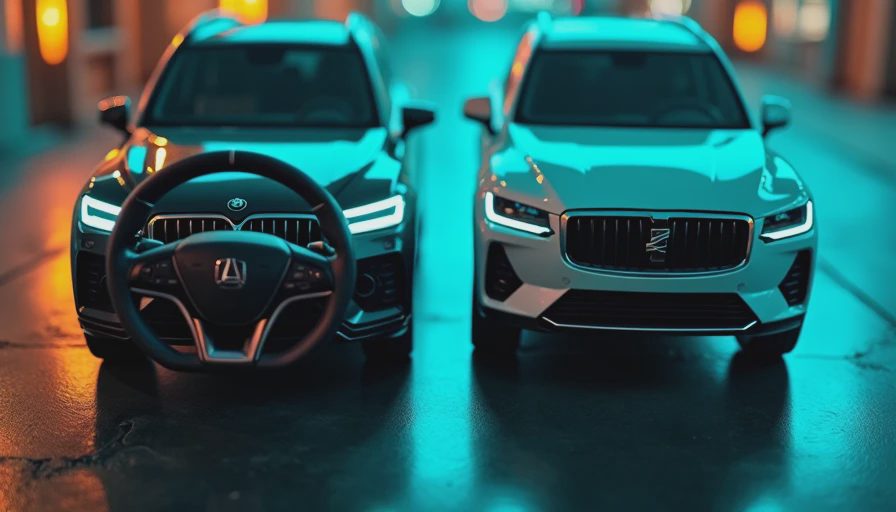
urus vs rsq8 on the road and in the driveway
This is where the personalities split. The Audi is the one I'd hand to Claire if she had a long shift and just wanted a calm drive home. It still feels wide and heavy, but it is quieter, less eager to announce itself, and easier to live with in bad weather or bad traffic. The Lamborghini is the one you buy because you want every gas-station stop to become a conversation. Steering is sharper, throttle response feels more urgent, and the cabin keeps reminding you that somebody in Sant'Agata was not interested in subtlety. None of that makes the Audi dull. It just makes the Lamborghini harder to ignore.
Mia would point at the louder one because it looks like a rocket. Socket would choose the calmer one because he hates sudden lane changes and dramatic suspension tuning. That is a joke, but it maps to real life. If your commute includes potholes, broken pavement, or long winter slush, the less theatrical SUV is usually the easier one to tolerate. The better steering feel does not help much when you are crawling through downtown Portland behind a delivery van.
cabin space, cargo, and the stuff that matters on Tuesday
Both can handle a school run and an airport run without drama. The Audi usually feels less precious, easier to see out of, and less likely to make you park two stalls away from the cart return. The Lamborghini wins drama but loses some everyday grace. Rear seat room is closer than the badges suggest, and cargo space is good enough for groceries, a couple of duffels, or Mia's impossible collection of fire-truck parts. The RSQ8's more restrained interior can feel like money that went into engineering instead of theater. The Urus spends more of the budget on the part your friends notice first.
In urus vs rsq8, the daily-use question is not whether either one is practical in the normal sense. Neither one is. The question is whether you want a luxury SUV that disappears into your routine or one that makes the routine feel like a special event. For a lot of buyers, that answer changes after the first week of ownership.
urus vs rsq8 ownership costs, tires, and insurance
Tires and brakes on either one are not cheap. A set of large performance tires can run from about $1,600 to $3,000 installed, and a proper brake service can land in the low thousands fast if carbon-ceramic hardware is involved. I have seen customers get more surprised by wheel replacement than engine work. These are the kind of SUVs where a parking-lot scrape becomes a thousand-dollar problem before paint even enters the chat. And once you factor in sensors, cameras, and expensive body panels, the repair bill gets real in a hurry.
Insurance tends to follow the same logic. A high sticker price, high repair cost, and pricey glass or electronics usually push both cars into a bracket that feels closer to exotic than family SUV. If you finance or lease, comprehensive and collision are usually part of the deal. If you buy outright, a lower deductible can keep monthly costs friendlier, but it means you are eating more of the first hit if something goes wrong. Get quotes before you buy, not after.

which one actually makes sense
If urus vs rsq8 is your shortlist, I would start with this question: do you want the SUV that blends in, or the one that refuses to? The Audi usually makes the cleaner case for real life. It is still outrageous money, but it is easier to park, easier to explain, and easier to ignore when you are trying to get work done. The Lamborghini is the one that gets under your skin. It has more theater, more image, and more of the kind of hardware that makes an owner stand next to it in the driveway and grin for no practical reason.
My advice is simple. Price the tires, get the insurance quote, and ask yourself how often you want attention at the gas pump. That will tell you more than a brochure ever will. The data is for the engineers. The feel is yours.





No signals yet — transmit the first.