A Jeep Cherokee XJ rust repair guide is useful because these boxy old Jeeps can look presentable right up until you put them on a lift. The paint may shine, the doors may close, and the 4.0-liter six may start every morning. Underneath, however, water can be working through the unibody, floor pans, rocker panels, and suspension mounts. I have seen clean-looking XJs that needed several thousand dollars of metalwork, and rusty-looking examples that were perfectly sensible projects. The difference is knowing where to look before money changes hands.
Start with the unibody, not the paint
The XJ does not have a separate frame like a Wrangler or older full-size truck. Its body and structural rails form a unibody, so rust in the wrong location is more than cosmetic. Surface scale on a door or front fender is annoying. Perforation near a suspension mounting point can make the Jeep unsafe and expensive to repair correctly.
Bring a bright flashlight, a small inspection pick, a screwdriver, and clothes you do not mind dirtying. Do not stab aggressively; you are checking for soft metal, not trying to create a hole. Look first at the front frame rails near the lower control-arm brackets. Follow them rearward around the steering box, transmission crossmember, and floor supports. Rust often hides behind factory undercoating, where a hard tap can sound solid while the metal underneath has already thinned.
Open the hood and inspect the inner fenders, especially around the battery tray and the seams near the firewall. Battery acid and trapped moisture can attack the metal from above. On the passenger side, examine the air-conditioning drain area for damp carpet and bubbling seams. A blocked drain can quietly soak the front floor for years.
The Jeep Cherokee XJ rust repair guide I use in the shop always treats structural rails as the first priority. A rusty quarter panel can wait. A weak control-arm mount cannot.

The common rust zones owners miss
The floor pans are frequent trouble spots, particularly beneath the front seats and along the carpet edges. Lift the carpet if the seller allows it. Factory sound deadening can hold moisture against the steel, and a rubber floor mat can hide a hole large enough to put your hand through. Check the rear cargo floor around the hatch seal, spare-tire well, and quarter-panel seams as well.
Rocker panels deserve a careful inspection because they contribute to the body’s stiffness. Look underneath the plastic trim and inspect the pinch welds. A rocker with light surface rust can be cleaned and protected. A rocker that crumbles when lifted with a jack is a fabrication job, not a weekend spray-paint exercise.
The rear leaf-spring mounts are among the most important areas on any XJ. Inspect the front and rear eyes of each leaf spring, the surrounding unibody rails, and the shackle boxes. Rust around the shackle mount can spread into the floor and rear quarter structure. Also check the rear axle bump-stop brackets, fuel-tank skid area, and the metal above the muffler, where heat and road salt combine to speed corrosion.
If you are looking at a lifted Jeep, inspect more than the visible suspension hardware. Lift kits can increase stress around old mounts, and poorly welded reinforcement plates can trap water. A thick bead of weld does not automatically mean a strong repair. The surrounding base metal must be healthy enough to carry the load.
How to judge a repair
A proper repair starts by cutting back to solid steel. Covering a rusty hole with a plate and seam sealer may make the inspection look better, but it does not restore the original strength. On a structural section, the patch should match the thickness and shape of the original metal, with clean welds tied into healthy material. The repaired area then needs protection inside and outside, including primer, seam sealer, and a cavity wax or corrosion coating where appropriate.
Ask who performed previous welding and whether photographs exist from before the repair. A reputable fabricator will usually show the cut-out area, replacement metal, and finished welds without acting offended. Be cautious when you see thick black undercoating applied only to one side of the vehicle. That can be legitimate rust prevention, but it can also be camouflage.
A magnet helps identify filler on exterior panels, though it tells you little about the underside. Look for ripples, mismatched seam lines, fresh paint, and fasteners that do not match nearby hardware. Water testing around the windshield and hatch is worthwhile because leaks often begin at seals, seams, or previous body repairs.
In this Jeep Cherokee XJ rust repair guide, the practical rule is simple: old repair work is acceptable when you can see the method and confirm the metal around it is sound. Mystery repairs deserve a price that assumes more work is waiting.
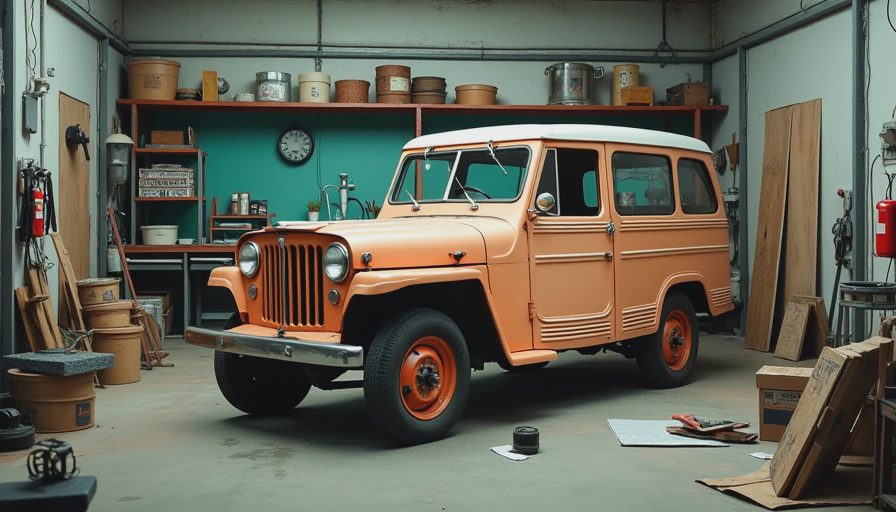
Realistic repair costs and project math
Prices depend heavily on location, access, and labor rates, but useful planning ranges still exist. A small floor patch in a clean shop may cost roughly $300 to $800. Larger floor sections or rocker repairs can reach $1,000 to $2,500 per side once carpet, interior trim, paint, and corrosion protection are included. Structural rail or suspension-mount reconstruction can run from $1,500 to more than $4,000, especially when several areas connect.
DIY owners can reduce cash expense, but rust repair still consumes time and equipment. A quality welder, grinder, respirator, lighting, jack stands, sheet metal, shielding gas, primer, and protective coatings can easily total $800 to $2,000 before the first finished panel. That can be worthwhile if you already have the tools and want the project. It is not automatically cheaper if you are learning on the only vehicle your family needs for work.
Compare the repair bill with the Jeep’s complete condition. A rust-free XJ with a tired automatic transmission, worn steering, cracked exhaust manifold, and neglected cooling system is a different proposition from a solid-bodied example needing one floor patch. Add a reserve of at least 25 percent for hidden damage once the carpet and undercoating come out.
When to buy, repair, or walk away
Buy the Jeep when the rust is limited, visible, and matched by a solid drivetrain and straight body. Repair it when the XJ has useful history, desirable equipment, or sentimental value and the unibody still provides good metal around the damaged sections. Walk away when the front suspension mounts, steering box area, spring mounts, and floor structure are all compromised, particularly if repairs are layered over old patches.
A pre-purchase inspection should include a lift, not just a driveway glance. Tell the technician you want photographs of every structural rust area and a written separation between immediate safety repairs and cosmetic work. Spend $150 to $250 on that inspection rather than discovering a $3,000 welding bill after buying the Jeep.
The best Jeep Cherokee XJ rust repair guide cannot replace looking at the actual metal. Rust is a condition problem, not a mileage problem. A 180,000-mile Arizona XJ can be a better foundation than a 110,000-mile Northeast example that spent fifteen winters on salted roads.
If the structure is sound, clean the drains, remove loose scale, repair leaks, and coat the cavities before winter. If the structure is gone, do not let a cheap purchase price turn your garage into a metal-reconstruction course. The data is for the engineers. The feel is yours, but solid steel is what keeps the feel from becoming a roadside recovery call.

No signals yet — transmit the first.